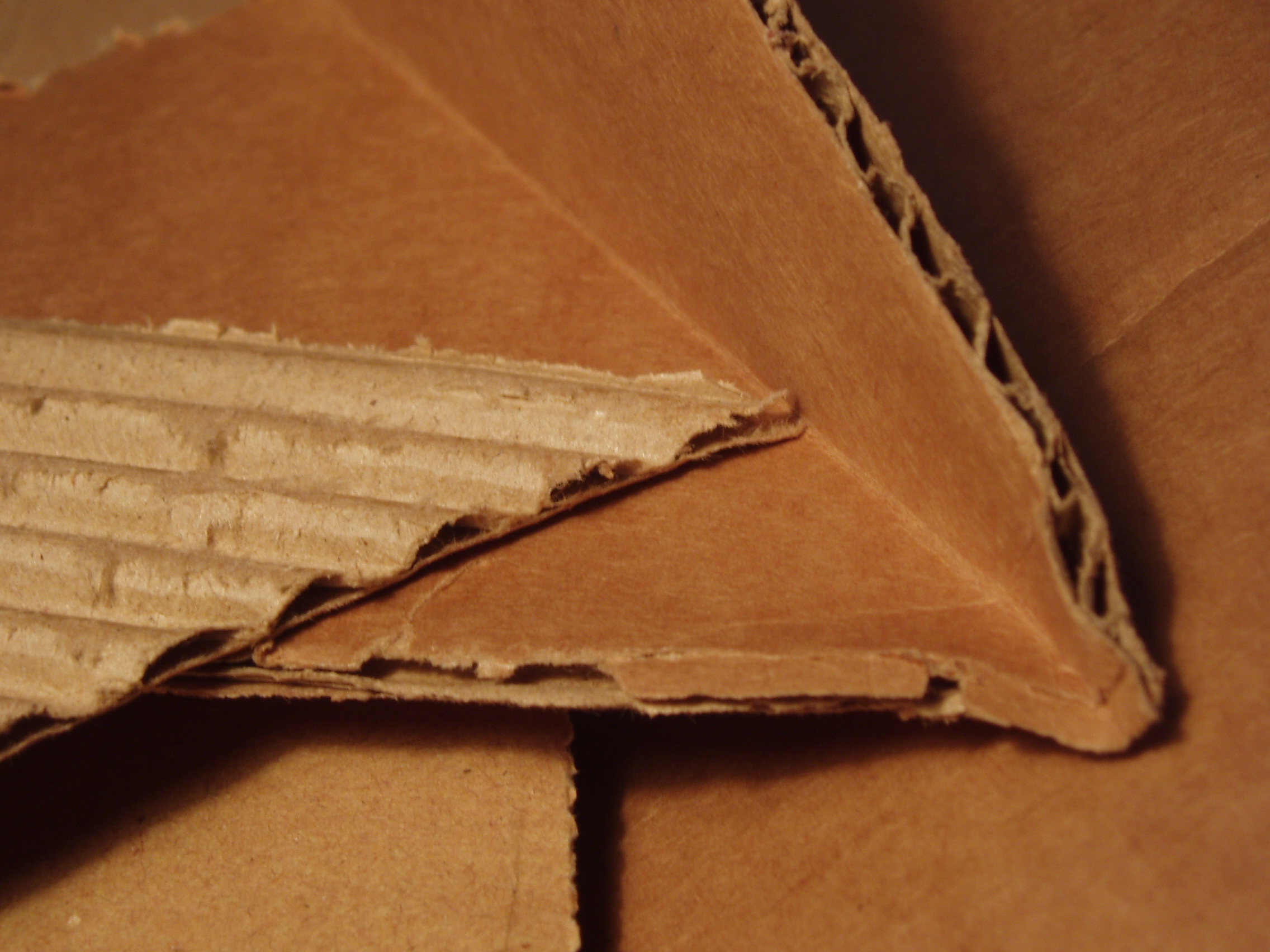
Corrugated Box Folding Techniques
An examination of how corrugated sheets are scored, slotted, and folded into functional boxes, including the differences between regular slotted containers and full-overlap configurations.
Read article →Methods for designing and folding corrugated and solid cardboard packaging used across the Polish manufacturing and logistics sector.
Precise scoring determines how cleanly cardboard bends. The depth of the score line, relative to the material's caliper, controls the fold radius and the resulting structural integrity of the finished box.
Corrugated boards are classified by flute profile (A, B, C, E, F) and measured by Edge Crush Test rating. Polish exporters commonly work with C-flute and BC double-wall configurations for transit packaging.
Poland ranks among the larger corrugated board producers in Central Europe. Domestic manufacturers follow FEFCO and ECMA style standards, which define box construction codes recognized across EU supply chains.
Detailed coverage of folding methods, structural design, and manufacturing techniques relevant to cardboard packaging in Poland.
An examination of how corrugated sheets are scored, slotted, and folded into functional boxes, including the differences between regular slotted containers and full-overlap configurations.
Read article →How die-cutting presses convert flat board into complex packaging shapes, and how Polish converters select tooling geometry for specific product categories and transit requirements.
Read article →
Material selection, box style classification under the FEFCO code system, and the geometric factors that determine load-bearing capacity and stacking performance.
Read article →